Mattress Guides
Roll-Pack vs Flat-Pack: Why Compressed Mattresses Cut Freight Costs
A mattress is mostly air, and shipping air is expensive.
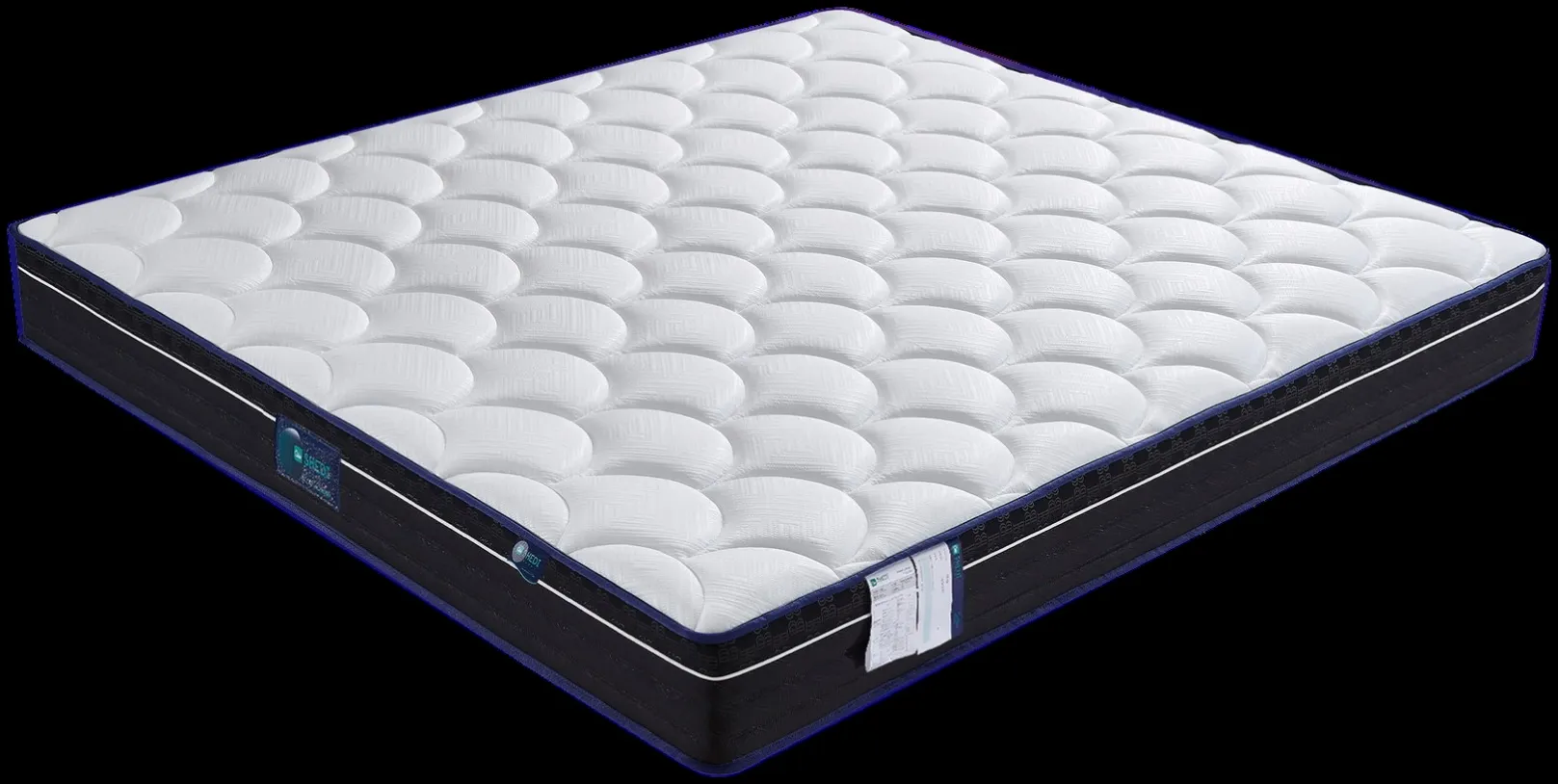
A mattress is mostly air, and shipping air is expensive. That is why the way a mattress is packed decides much of an importer's landed cost.
The flat-pack problem
Shipped flat, mattresses fill a container by volume long before they fill it by weight. Freight, warehousing and last-mile delivery are all charged on that volume, and a full-size mattress is awkward to handle at every step — especially in hotels and apartment buildings with small lifts and narrow corridors.
How roll-packing works
Our pocket spring mattresses are engineered to be vacuum-compressed, rolled and boxed, then recover fully after unpacking. Compression is part of the product design and batch testing, not an afterthought: each batch is tested before it leaves our Foshan factory.
What buyers gain
More units per container and lower freight cost per mattress. Smaller warehouse footprint. Easier handling for e-commerce delivery and for hotel or apartment projects, room by room. And because there is no minimum order quantity, importers can mix several models in one container and test a market without overstocking.
If freight is eating your margin, send us your target models and port — we will suggest a mixed loading plan. Email sale@shedihome.com or WhatsApp +86 136 7238 6366.